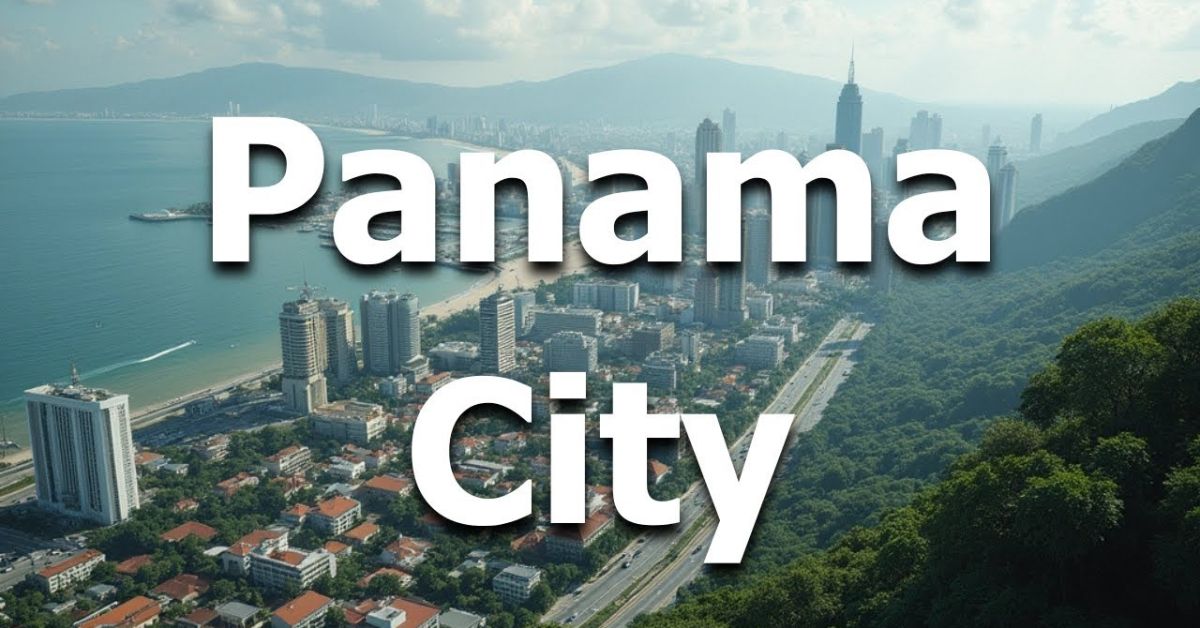
Panama is a beautiful country in Central America. It connects North and South America and is famous for the Panama Canal. You’ll find beaches, rainforests, modern cities, and rich culture all in one place.
Imagine relaxing on a tropical beach in the morning and exploring a lively city by night. Panama offers adventure, history, and nature together. It’s a destination that surprises travelers at every step.
From vibrant Panama City to quiet island escapes, there’s so much to see and do. This guide highlights the best things to do in Panama to help you plan an unforgettable trip.
Discover Your Next Adventure in Panama
Panama is a tropical paradise that connects two continents and two oceans. This small Central American nation packs incredible diversity into its compact size. From bustling modern cities to pristine Caribbean beaches, from misty cloud forests to indigenous villages, things to do in Panama offer experiences that satisfy every type of traveler.
Whether you’re drawn to engineering marvels, wildlife encounters, or beach relaxation, this guide will help you discover the best things to do in Panama. Let’s explore what makes this destination so special.
Visit the Legendary Panama Canal
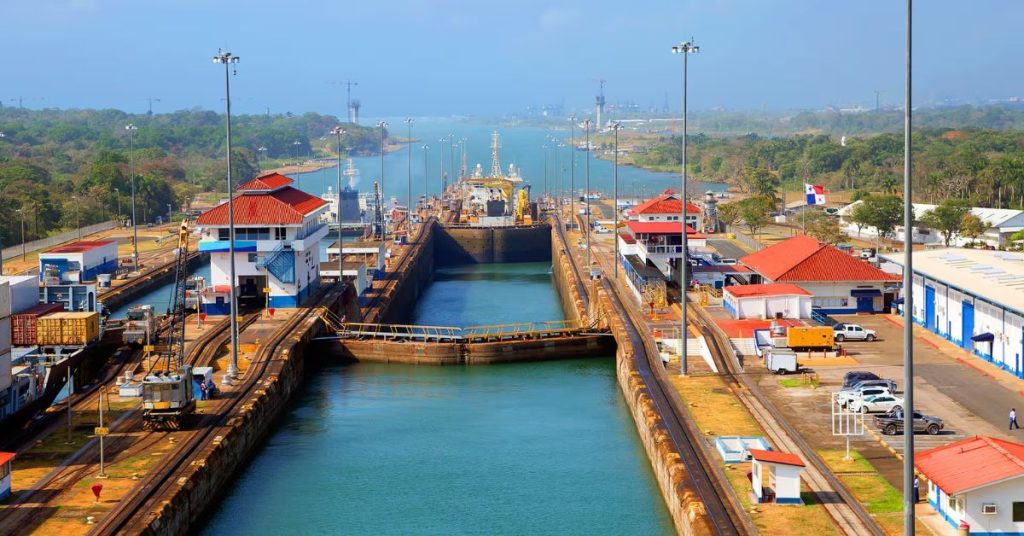
The Panama Canal stands as one of humanity’s greatest engineering achievements. Watching massive cargo ships navigate through the locks is absolutely mesmerizing. The vessels rise and fall like toys in a bathtub, but the scale is mind-boggling.
The Miraflores Visitor Center offers the best vantage point for observing canal operations. You can watch ships transit the locks from observation decks while learning about the canal’s fascinating history. The center features interactive exhibits, historical displays, and an IMAX theater showing documentaries about the canal’s construction and importance to global trade.
Plan your visit when ships are scheduled to pass through for the full experience. The entire process takes about 30 minutes per vessel. Entry costs around $17, and you can easily spend 2-3 hours exploring everything the center offers.
Getting there from things to do in Panama City takes about 20 minutes by taxi or Uber. The canal operates daily, but checking the schedule online before visiting ensures you’ll see ships in action.
For More Information Visit Website …..
Explore Historic Casco Viejo
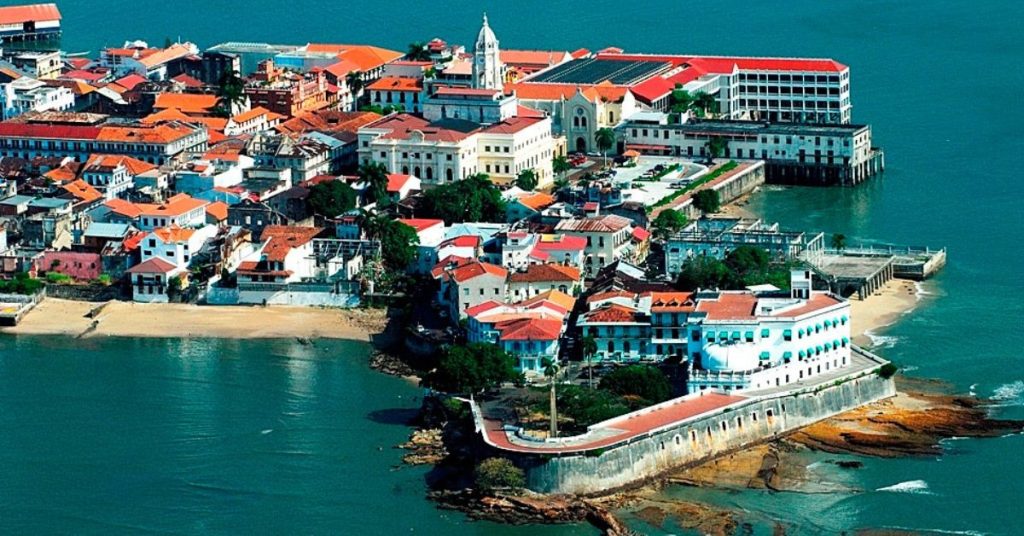
This UNESCO World Heritage Site transports you back in time with its cobblestone streets and Spanish colonial architecture. Founded in 1673 after pirates destroyed the original Panama City, this neighborhood has been beautifully restored while maintaining its historic character.
Colorful buildings with iron balconies line narrow streets filled with cafes, restaurants, boutiques, and art galleries. Plaza de la Independencia serves as the heart of the district, surrounded by the Metropolitan Cathedral and other significant landmarks.
Walking through Casco Viejo reveals hidden gems at every turn. You’ll discover murals painted on old walls, rooftop bars with stunning ocean views, and local artisans selling handmade crafts. The area comes alive at night with live music spilling from restaurants and bars.
This is one of the best things to do in Panama for history lovers and photographers. The blend of old and new creates a vibrant atmosphere perfect for leisurely exploration. Many visitors choose to stay in Casco Viejo because of its walkability and abundance of dining options.
Don’t miss the viewpoint at Plaza Francia, which offers panoramic views of Panama City’s modern skyline.
Discover Bocas del Toro
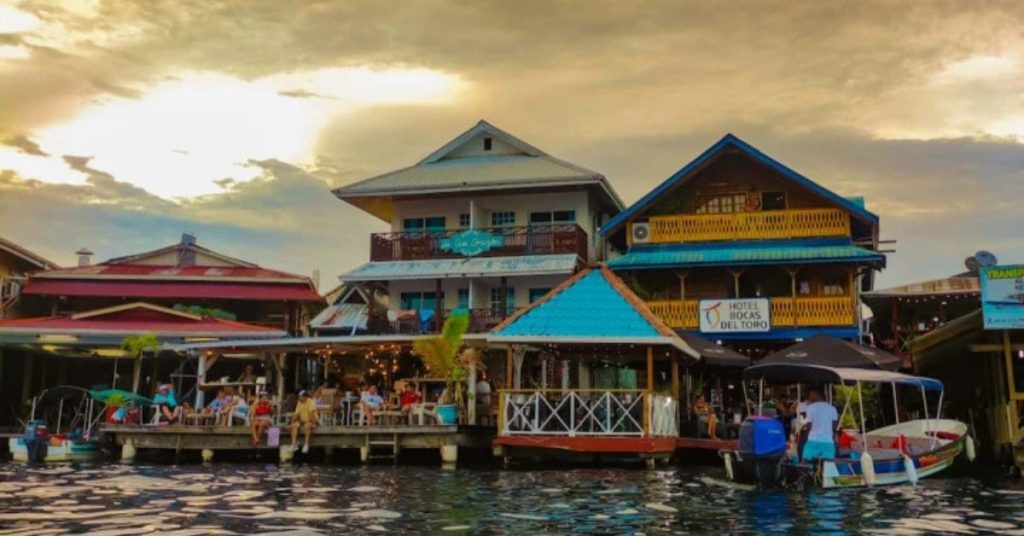
Bocas del Toro is a paradise found on Panama’s Caribbean coast. This archipelago of nine islands offers crystal-clear turquoise waters and laid-back island vibes. Getting there requires a short flight from things to do in Panama City or a scenic drive followed by a boat ride.
The main island, Isla Colon, serves as the gateway to the archipelago. Colorful wooden buildings on stilts over the water create a charming waterfront. From here, you can explore other islands by water taxi or organized tours.
Isla Bastimentos National Marine Park protects pristine beaches and coral reefs. Red Frog Beach gets its name from the tiny red poison dart frogs that live in the surrounding jungle. Snorkeling and diving opportunities abound, with healthy coral formations and diverse marine life.
Surfing, paddleboarding, kayaking, and simply beach hopping fill days in Bocas del Toro. The town itself offers excellent restaurants serving fresh seafood and Caribbean-influenced cuisine. Nightlife ranges from beach bonfires to lively bars with reggae music.
For those seeking things to do in Panama at night, Bocas offers a unique party scene mixed with tranquil sunset watching. Visit between December and April for the driest weather and calmest seas.
Experience Indigenous Culture at an Embera Village
Meeting the Embera people offers profound cultural insight. Indigenous communities in Panama maintain traditional lifestyles along the Chagres River. Visiting an Embera village requires traveling by car and then canoe through the rainforest.
The journey itself becomes part of the adventure. Paddling up the river surrounded by dense jungle, you might spot wildlife along the banks. Many tours include a refreshing swim at a waterfall before reaching the village.
Upon arrival, villagers welcome you with traditional music and dance. They wear colorful traditional clothing and body paint made from natural dyes. Demonstrations showcase their crafts, including intricate basket weaving using natural fibers.
A traditional lunch featuring fresh fish, plantains, and other local foods provides a taste of their culinary heritage. You can purchase handmade crafts directly from the artisans, supporting their community economy.
This cultural exchange represents one of the most meaningful things to do in Panama. The Embera people share their way of life while maintaining their connection to the land. It’s an educational experience that leaves lasting impressions about sustainability and traditional knowledge.
Hike Through Boquete’s Cloud Forests
Boquete is a mountain town famous for coffee and cool mountain air. Located in the highlands of Chiriqui Province, Boquete offers a refreshing escape from tropical heat. The town sits in a valley surrounded by misty mountains and lush cloud forests.
Hiking trails range from easy nature walks to challenging mountain treks. The Pipeline Trail follows an old aqueduct through primary rainforest, offering excellent birdwatching opportunities. Early mornings provide the best chance of spotting the resplendent quetzal, one of the world’s most beautiful birds.
Volcano Baru National Park contains Panama’s highest peak. Adventurous hikers can summit Baru Volcano for sunrise views of both the Pacific Ocean and Caribbean Sea simultaneously. The demanding overnight hike requires preparation and warm clothing for the cold summit.
Coffee plantation tours showcase Boquete’s world-famous coffee production. things to do in Panama produces some of the most expensive coffee in the world, particularly the Geisha variety. Tasting fresh-roasted beans while learning about the cultivation process makes for a delicious educational experience.
Zip-lining, white-water rafting, and hot springs add adventure options to your Boquete itinerary. The town itself charms visitors with its flower-lined streets and welcoming local community. Things to do in Panama beach lovers might prefer, but mountain enthusiasts find paradise in Boquete.
Relax on the San Blas Islands
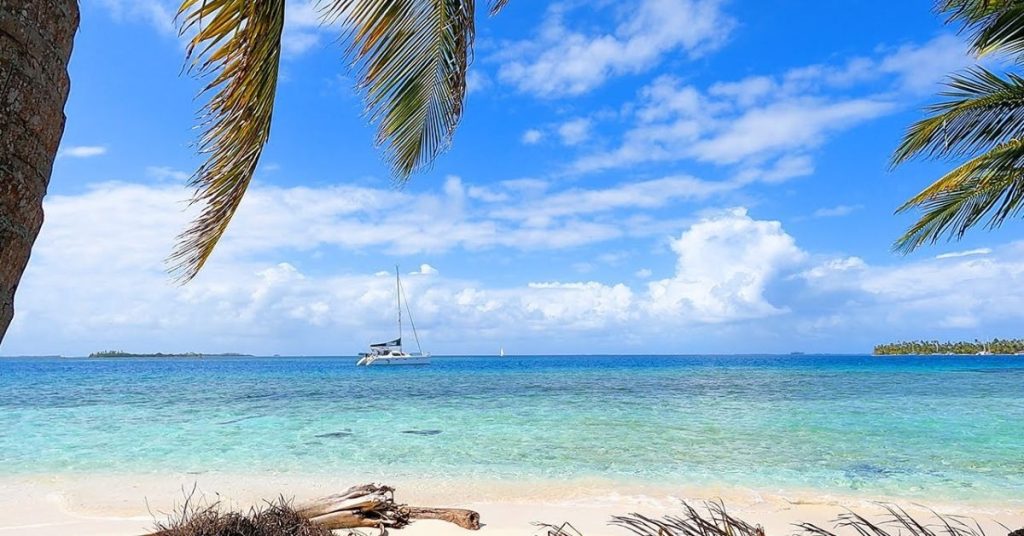
The San Blas Islands represent tropical perfection. This archipelago of 365 islands and cays lies off Panama’s Caribbean coast. The indigenous Guna people govern these islands autonomously, preserving their culture and environment.
Pristine white-sand beaches meet impossibly turquoise waters. Palm trees sway in gentle breezes, and coral reefs teem with colorful fish just offshore. Many islands remain uninhabited, creating an authentic castaway experience.
Day trips from things to do in Panama City typically visit three different islands. The journey takes about 3 hours each way through mountainous rainforest roads. Upon reaching the coast, boats transport you to the islands.
Swimming, snorkeling, and relaxing in hammocks fill the day. Lunch usually features freshly caught lobster or fish prepared by Guna families. The simplicity and natural beauty create unforgettable memories.
Some visitors choose multi-day stays in basic island accommodations for deeper immersion. The Guna people welcome respectful tourists while maintaining their traditional lifestyle.
These islands rank among the most unique things to do in Panama beach destinations. Photography enthusiasts find endless inspiration in the stunning seascapes. Remember to bring cash for entry fees and purchases, as the islands have no ATMs.
Explore Metropolitan Natural Park
Metropolitan Natural Park brings wilderness into the city. This protected area sits within the Panama City limits, offering easy access to tropical rainforest. It’s one of the few tropical forests in the world located within a major city.
Well-maintained hiking trails wind through the forest canopy. The park features several routes of varying difficulty, all clearly marked. The main trail leads to lookout points offering spectacular views of things to do in Panama City’s skyline, the canal, and the Pacific Ocean.
Wildlife sightings are common despite the urban location. Sloths hang from trees, monkeys swing through branches, and agoutis scurry across trails. Over 250 bird species inhabit the park, making it a birdwatcher’s urban oasis.
The visitor center provides information and sells tickets. Guides are available for hire if you want expert help spotting wildlife. Entrance fees are modest, around $5 for adults.
Early morning visits offer the best wildlife viewing and cooler temperatures. The park makes an excellent half-day activity, easily combined with other things to do in Panama City attractions. It’s perfect for travelers seeking nature without leaving the city.
Bringing binoculars, water, and sunscreen enhances the experience. The park stays relatively cool under the forest canopy, but humidity remains high.
Discover Santa Catalina and Coiba Island
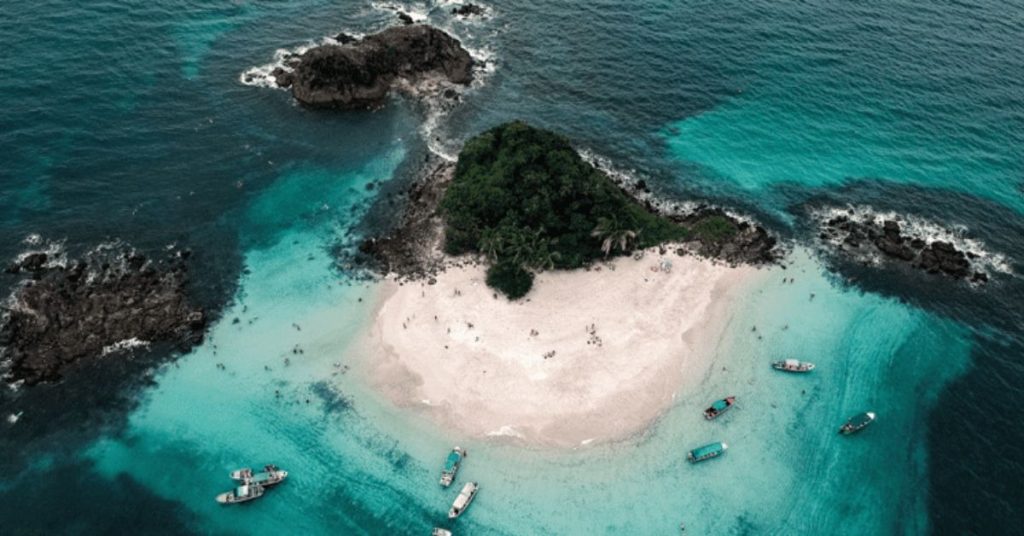
Santa Catalina serves as the gateway to world-class diving. This small Pacific coast village attracts surfers and divers seeking pristine natural beauty. The laid-back atmosphere and stunning sunsets create a perfect beach town vibe.
Coiba National Park, a UNESCO World Heritage Site, lies offshore. Formerly a prison island, Coiba Island remained largely untouched, preserving extraordinary biodiversity. The surrounding waters host some of the best diving in Central America.
Dive sites feature encounters with whale sharks, manta rays, sea turtles, and schools of tropical fish. Coral gardens grow in vibrant arrays of colors and shapes. The remote location means fewer crowds and pristine conditions.
Surfing in Santa Catalina offers consistent waves year-round. Estero Beach breaks work for all skill levels, while more advanced surfers seek out spots like The Point.
Snorkeling trips, fishing charters, and beach relaxation round out the activities. Local restaurants serve fresh seafood with ocean views. Accommodation ranges from basic hostels to comfortable eco-lodges.
Things to do in Panama beach city florida enthusiasts would appreciate the raw beauty and uncrowded beaches of Santa Catalina. The journey from Panama City takes about 6 hours, making it ideal for travelers with extra time. Visit between December and April for the calmest seas and best diving visibility.
Wander Through Panama Viejo Ruins
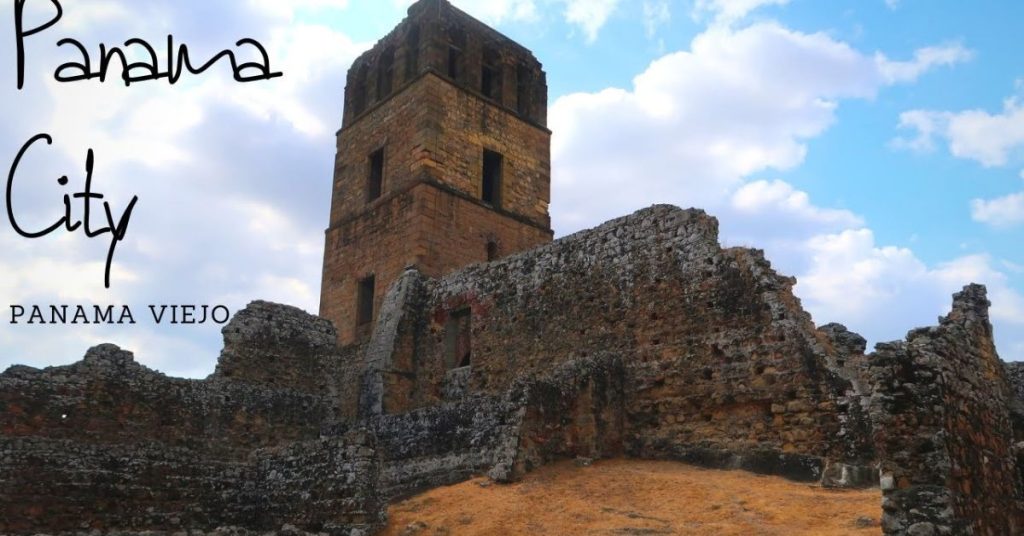
Panama Viejo tells the story of the first European city on the Pacific coast of the Americas. Founded in 1519, the original things to do in Panama City thrived as a crucial trade hub. Spanish conquistadors used it as a base for exploring South America and transporting Incan gold back to Spain.
In 1671, Welsh pirate Henry Morgan attacked and burned the city. The ruins that remain offer a fascinating glimpse into colonial life. Stone walls, church towers, and building foundations spread across a large archaeological site.
The Cathedral Tower stands as the most iconic structure. You can climb to the top for panoramic views of the ruins and modern Panama City in the distance. Information plaques throughout the site explain the history and function of various buildings.
A small museum near the entrance displays artifacts discovered during excavations. Models and diagrams help visitors understand how the city looked in its prime.
Walking through the ruins takes about 2 hours. The site opens daily, and entrance fees are reasonable. Taxis from Casco Viejo reach the ruins in about 15 minutes.
Early morning visits avoid the intense midday heat. The open site offers little shade, so sun protection is essential. This historical attraction appeals to anyone interested in colonial history and archaeology.
The contrast between the crumbling ruins and modern skyscrapers visible in the distance creates a powerful juxtaposition of old and new Panama.
Sample Panama’s Culinary Scene
Panamanian food blends indigenous, Spanish, African, and Caribbean influences. Traditional dishes reflect the country’s multicultural heritage. Sampling local cuisine ranks among the best things to do in Panama for food lovers.
Start your culinary exploration at Mercado de Mariscos, the seafood market near Casco Viejo. Fresh ceviche served at small counters inside the market provides an authentic taste of Panama. The tangy lime-marinated fish mixed with onions and cilantro makes a perfect light lunch.
Sancocho, Panama’s national dish, is a hearty chicken soup flavored with culantro and served with rice. It’s comfort food that appears on menus throughout the country. Caribbean influences shine in Bocas del Toro, where coconut rice, plantains, and fresh seafood dominate. Afro-Caribbean flavors bring unique spices and cooking techniques.
Panama City’s restaurant scene has exploded in recent years. From street food vendors to fine dining establishments, options satisfy every palate and budget. The city earned recognition as a Creative Gastronomic City by UNESCO.
Don’t miss trying: Ropa vieja, shredded beef in tomato sauce Patacones, fried green plantains Empanadas filled with meat or cheese Raspados, shaved ice with fruit syrups Geisha coffee, one of the world’s most expensive coffees
Food tours in Casco Viejo combine tastings with historical storytelling. These guided experiences introduce you to local specialties while exploring the neighborhood’s culinary evolution.
Conclusion
From the engineering marvel of the Panama Canal to pristine Caribbean beaches, from misty cloud forests to indigenous villages, every corner reveals something special. The country welcomes visitors with warm hospitality and modern infrastructure that makes travel comfortable and safe.
Whether you’re seeking adventure, relaxation, cultural experiences, or natural beauty, you’ll find it here. The best things to do in Panama cater to all interests and travel styles. Families, couples, solo travelers, and adventure seekers all discover their perfect experiences.
Start planning your Panama adventure today. This small country delivers big memories that last a lifetime. The unique blend of natural wonders, cultural richness, and modern amenities creates the perfect destination for your next journey.
FAQs
1. What is the best time to visit Panama?
The best time to visit Panama is from December to April during the dry season, when the weather is sunny and ideal for travel.
2. Is Panama safe for tourists?
Yes, Panama is generally safe for tourists, especially in popular areas like Panama City, Boquete, and Bocas del Toro.
3. Do I need a visa to visit Panama?
Many nationalities can enter Panama visa-free for up to 90 days. Always check the latest entry rules before traveling.
4. What currency is used in Panama?
Panama uses the US Dollar along with the local Balboa. US dollars are accepted everywhere.
5. What are the must-see places in Panama?
Top places include the Panama Canal, Casco Viejo, San Blas Islands, Bocas del Toro, and Boquete.