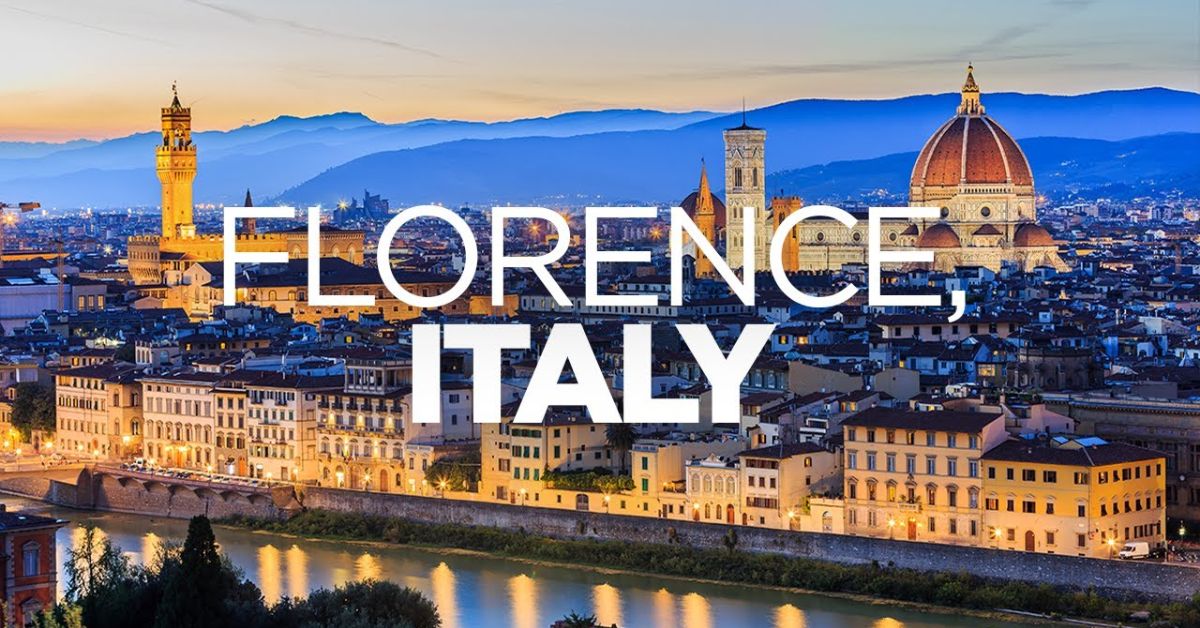
Florence does not ease you in gently. The moment you step out of Santa Maria Novella train station and your eyes land on that terracotta dome rising above the rooftops, something shifts. Before you fully understand it, you feel it. This city, the birthplace of the Renaissance, has been doing that to visitors for centuries and it is still doing it today.
Whether you are planning your very first trip or returning for the third time, the things to do in Florence are so rich, so layered, and so endlessly rewarding that it is almost impossible to run out of reasons to keep exploring. Art, food, architecture, history, wine, hidden gardens, rooftop views Florence holds all of it, often on the same street.
This guide covers the best things to do in Florence, Italy, from the iconic landmarks every first-timer needs to see, to the unique experiences that make you feel like you actually know the city. We have also included what to do in Florence at night, because the city after dark is a whole different kind of magic.
The Unmissable Icons: Where Every Florence Trip Begins
Some places in this world earn their reputation completely and honestly. Florence has several of them. These are the attractions that draw millions of visitors every year, and every one of them delivers.
Marvel at Michelangelo’s David
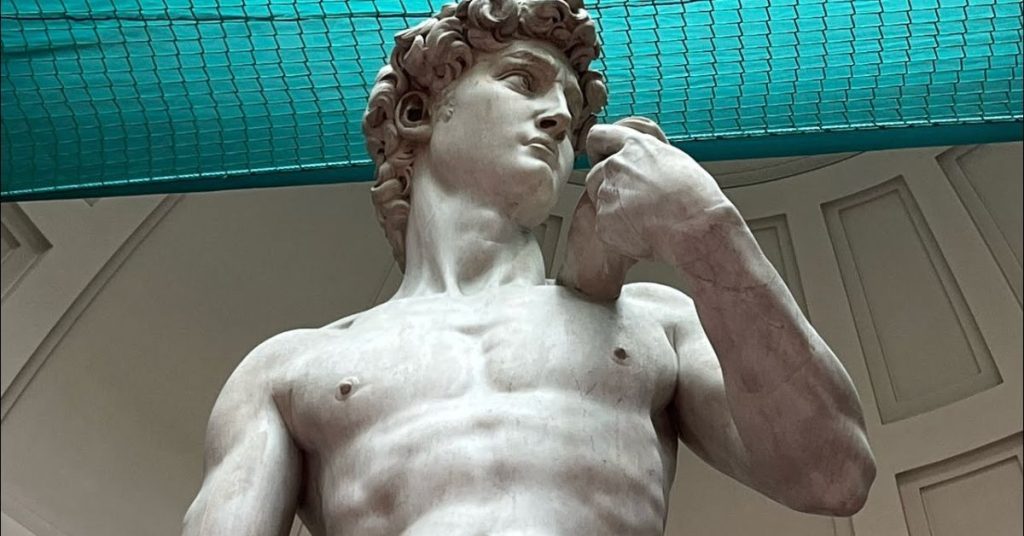
If there is one single reason people make the journey to Florence, it is to stand in front of Michelangelo’s David at the Galleria dell’Accademia. No photograph, no textbook image, no replica and there are replicas scattered all over the city prepares you for the real thing.
Michelangelo carved this masterpiece when he was just 26 years old, and it stands over five meters tall in a room built specifically to house it. The sheer scale and the impossible detail of the marble stop people mid-step.
Beyond David, the Accademia also holds Michelangelo’s unfinished Slaves series, a collection of plaster casts, and beautifully painted Renaissance canvases. It is a smaller museum, so you will not need a full day here but you absolutely need to book tickets in advance. This is one of the most popular things to do in Florence Italy, and walk-ins are rarely possible.
The Florence Duomo: A Wonder You Can Climb
Florence’s Cathedral of Santa Maria del Fiore, known simply as the Duomo, is the defining shape of the Florence skyline. Brunelleschi’s dome, completed in 1436, remains one of the greatest architectural achievements in human history.
Visiting the Duomo complex is actually a collection of experiences in one. You can tour the cathedral interior for free. You can explore the Baptistery of San Giovanni, with its extraordinary mosaic ceiling and the famous Gates of Paradise on its eastern doors. You can descend into the underground Crypt of Santa Reparata. And you can climb either the dome itself or the adjacent Giotto’s Bell Tower, which offers arguably the best view of the dome up close.
If you climb the dome, know that you will not be able to photograph it from the outside. Giotto’s Bell Tower is a fantastic alternative, with multiple rest platforms on the way up and a chicken-wire viewing platform that is perfect for phone cameras.
Book your Duomo pass well in advance. Dome climbs sell out weeks ahead, especially in peak season. The after-hours Duomo experience in Florence offers small groups private access to the cathedral and terraces. It is one of those travel moments that stays with you for years.
For More Information Visit Website …..
The Uffizi Gallery: 50% of the World’s Art Might Be Here
There is an old claim that Italy holds fifty percent of the world’s artistic treasures, and that half of those are in Florence. Whether or not the numbers hold up, one visit to the Uffizi Gallery makes the argument feel entirely plausible.
This is where Botticelli’s Birth of Venus and La Primavera hang. This is where you will find works by Leonardo da Vinci, Raphael, Caravaggio, Titian, and Michelangelo. The Uffizi is not just a museum, it is a pilgrimage for anyone who has ever opened an art history book.
Allow at least two to three hours for a meaningful visit. Book tickets online before you arrive in Florence. The Uffizi is one of those attractions where showing up without a reservation in summer can mean losing hours of your day to a queue.
A guided tour is genuinely worth considering here. The context a knowledgeable guide provides transforms the experience from room-after-room of beautiful paintings into a living story about power, genius, and the birth of the modern world.
Best Free and Low-Cost Things to Do in Florence
Not everything that makes Florence extraordinary costs a ticket. Some of the most memorable things to do in Florence Italy are completely free or require nothing more than comfortable shoes.
Wander Across the Ponte Vecchio
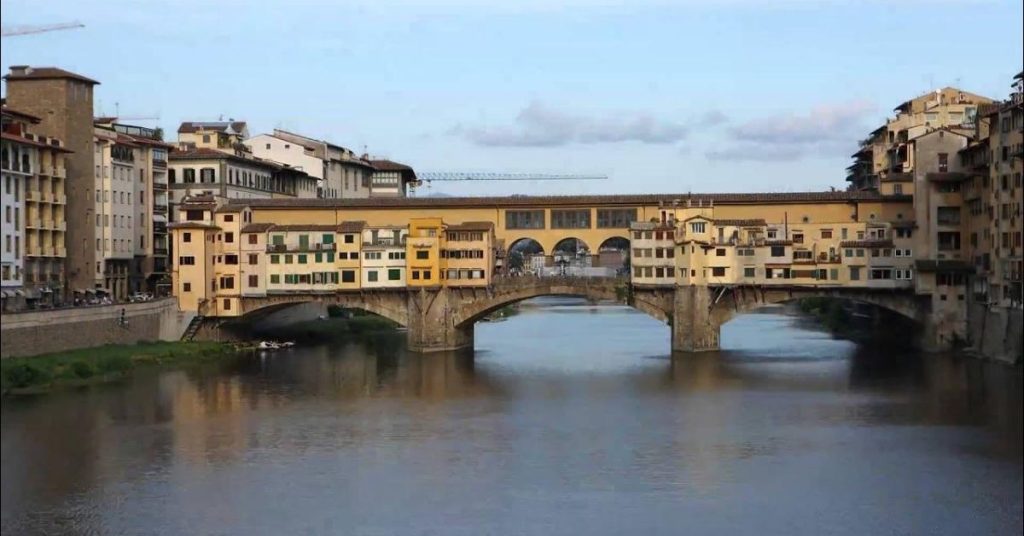
The Ponte Vecchio, or Old Bridge, is one of the most recognizable sights in all of Europe. Both sides of the Arno River are lined with tiny jewelry shops, glittering with gold.The bridge dates back to Roman times in its earliest form, though the current version is medieval.
The reason it is packed with jewelers rather than butchers is a fascinating piece of Florence history. In 1565, the Medici family decided the smells from the meat and tanning trades were offensive to them as they crossed via the Vasari Corridor above. They ordered the traders out and handed the bridge over to goldsmiths.
Walking across Ponte Vecchio is free. Going early in the morning or on a rainy day gives you a much quieter experience. For the best view of the bridge, head a short walk to the Ponte Santa Trinita from there you can admire the Ponte Vecchio in all its glory without being swallowed by the crowd on it.
Soak Up Piazza della Signoria
Piazza della Signoria is the grand open-air living room of Florence, and it has been for centuries. The Palazzo Vecchio, which still functions as Florence’s city hall, dominates one side. The Loggia dei Lanzi provides free access to an extraordinary collection of Renaissance sculpture, including Benvenuto Cellini’s Perseus with the Head of Medusa.
There is a replica of Michelangelo’s David in the square’s corner, standing where the original once stood before being moved indoors for protection. Street musicians perform here. Locals and tourists share the steps. Hot chocolate from the historic Rivoire cafe on the edge of the square is one of Florence’s small, wonderful luxuries.
One of the unique things to do in Florence is to simply sit here in the late afternoon, watch the light change on the stone, and feel the weight of everything that has happened in this square over the last seven hundred years.
Watch the Sunset from Piazzale Michelangelo
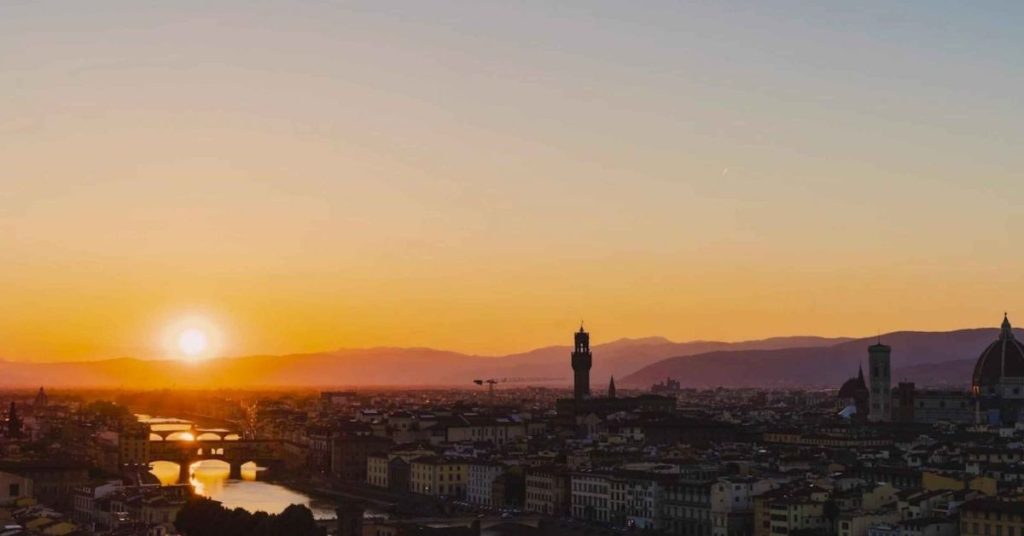
Every evening, a crowd gathers at the elevated Piazzale Michelangelo on the south bank of the Arno, and every evening, the view justifies the climb. The entire Florence skyline fans out before you the Duomo, the bell tower, the Palazzo Vecchio’s tower, all of it glowing in the golden hour.
It is busy. It is very busy. But it is also completely free, and it is one of the best things to do in Florence at night as the city lights start to warm up against the darkening sky.
For a slightly elevated and quieter experience, keep walking up the hill past Piazzale Michelangelo to the Basilica di San Miniato al Monte. The view from there is even more spectacular, the crowds are thinner, and if you time it right, you may catch the monks performing Gregorian chants inside the church, an experience so beautiful it is almost impossible to describe.
Florence’s Hidden Gems and Unique Experiences
Beyond the headline attractions, Florence rewards the curious traveler with experiences that most visitors walk right past. These are some of the most unique things to do in Florence if you want to go a little deeper.
The Bardini Gardens: Florence’s Best-Kept Secret
Most visitors who buy a ticket to the Boboli Gardens do not realise it includes free entry to the Bardini Gardens, a short walk away. The Bardini is smaller, quieter, and in many ways more beautiful especially between mid-April and early May, when the famous wisteria tunnel blooms in cascading purple.
Even outside the bloom season, the Bardini Gardens offer sweeping views over Florence from terraced hillsides and far fewer people than the Boboli. It is one of the most uniquely rewarding things to do in Florence for anyone who loves green spaces and elevated city views.
Rub the Nose of Il Porcellino
Near Piazza della Signoria, in the open-air Mercato Nuovo, stands a bronze wild boar known affectionately as Il Porcellino. The tradition is to rub his nose and, ideally, drop a coin into the grate below while holding it in the boar’s mouth. Do this correctly, and legend has it you are guaranteed to return to Florence.
It sounds like a tourist legend, and it is but it is charming, free, and makes for a great photo. The statue is a copy of a 17th-century original now housed in the Bargello Museum, and it is one of those endearing little Florence rituals that connects you to the city’s playful side.
Explore the Oltrarno Neighborhood
Cross any bridge to the south side of the Arno and you enter the Oltrarno, a neighborhood that feels genuinely different from the tourist-dense centro. Artisan workshops, quiet trattorias, small wine bars, and locals going about their day give this area a texture and rhythm all its own.
The Oltrarno is home to the Pitti Palace and Boboli Gardens, but it is also worth wandering without a specific destination. Piazza Santo Spirito, anchored by Brunelleschi’s Basilica di Santo Spirito, is a gathering place for locals and one of the best spots to sit with a glass of wine and feel like you actually live here.
Take a Cooking Class in the Tuscan Countryside
If you want to leave Florence with a skill rather than just memories, a Tuscan cooking class is one of the most rewarding things to do in Florence Italy. Many of the best classes take place in the hills just outside the city, where you learn to make fresh pasta, ragu, tiramisu, and more while looking out over the Tuscan landscape.
The combination of hands-on cooking, flowing Chianti, and views of rolling olive groves makes for an afternoon that is difficult to beat anywhere in the world. It also gives you the knowledge to recreate a small piece of Florence in your own kitchen which, on a grey Tuesday back home, is worth more than any souvenir.
Things to Do in Florence at Night
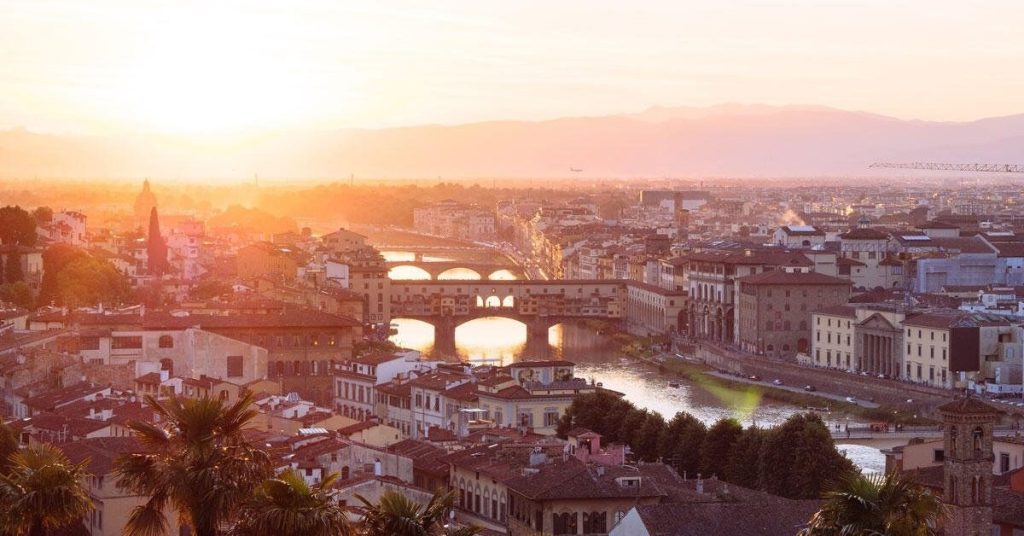
Florence transforms after dark. The streets are quieter, the golden light on the stone buildings is warmer, and the city takes on a quality that feels almost cinematic. There are genuinely wonderful things to do in Florence at night beyond dinner.
Visit a Classic Cocktail Bar
Florence has a remarkable cocktail culture. The Negroni, one of Italy’s most celebrated cocktails, was invented in Florence in 1919 at what is now Giacosa 1815 on Via della Vigna Nuova. Ordering a Negroni here, at the bar where it was born, is one of those small travel pleasures that lands with unexpected weight.
Rooftop bars offer another dimension of Florence after dark. Several hotels and venues provide outdoor bars with close-up views of the Duomo extraordinary at night when it is lit up against a dark sky. These spots are popular, so arriving early helps.
Stroll the Historic Streets After Dark
One of the most genuinely atmospheric things to do in Florence at night requires nothing more than walking. The Piazza della Signoria emptied of most tourists, the Ponte Vecchio glowing over the Arno, the narrow medieval streets lit by warm lamps Florence at night is a different city, and a deeply beautiful one.
The Oltrarno neighborhood comes alive in the evening too, with wine bars and restaurants filling with locals and travellers looking for something quieter and more authentic than the central tourist strip.
Tuscan Food: One of the Greatest Reasons to Visit Florence
Tuscan cuisine is built on exceptional ingredients prepared simply. Ribollita is a hearty bread and vegetable soup that has fed Tuscans through hard winters for centuries. Pappa al pomodoro is a thick, slow-cooked tomato bread soup that tastes like nothing else on earth. Bistecca alla Fiorentina is Florence’s legendary T-bone steak, served decidedly rare, enormous enough for two, and with an almost religious reverence from the locals who prepare it.
Tagliatelle with wild boar (cinghiale) is a pasta you will find on nearly every menu in the region, and for good reason it is deeply flavored and completely satisfying. Finish a meal the Tuscan way with cantucci biscuits dipped in a small glass of Vin Santo dessert wine, soaking them for at least ten seconds so they soften into something wonderful.
Gelato deserves its own conversation. Florence is, by most credible accounts, the birthplace of gelato. When choosing a gelateria, look for muted natural colors: a grayish-brown pistachio, not a bright green one and gelato stored in metal containers rather than piled high in plastic tubs. The shops that take gelato seriously tend to look less Instagram-dramatic and taste significantly better.
A food tour early in your visit is one of the smartest investments you can make in Florence. A good guide will introduce you to the right markets, the right dishes, and the kind of hole-in-the-wall restaurants that would otherwise take years to find on your own.
Day Trips from Florence Worth Taking
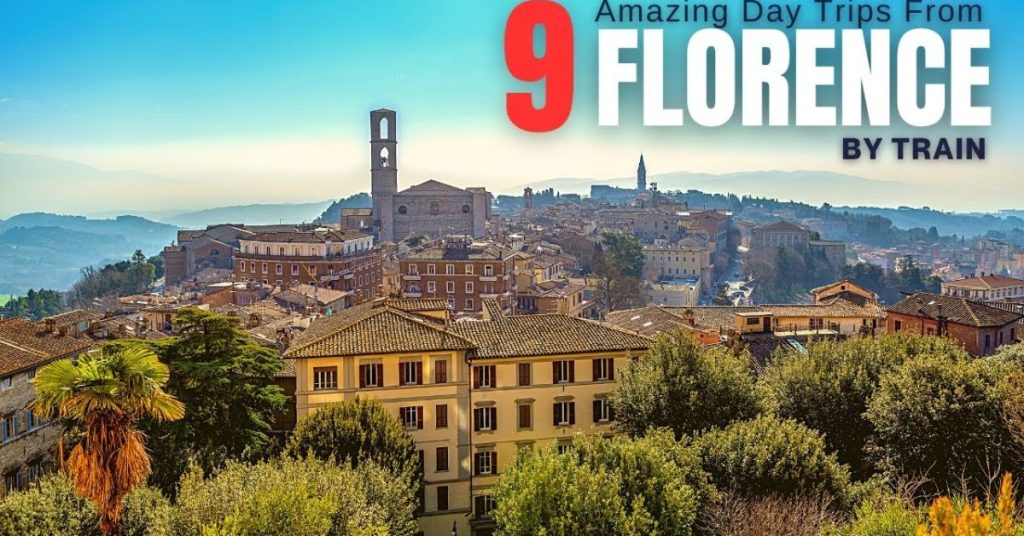
Florence is an exceptional base for exploring Tuscany. Some of the best things to do in Florence Italy extend beyond the city itself.
Siena and San Gimignano make a natural pairing Siena with its magnificent striped cathedral and the legendary Piazza del Campo, and San Gimignano with its medieval towers rising above the Tuscan plain like a miniature Manhattan. Both are reachable by bus or tour.
Pisa is just fifty minutes by train, and while the Leaning Tower is admittedly touristy, standing in front of it in the Piazza dei Miracoli remains a genuinely surreal experience. Combine it with a stop in nearby Lucca, a beautiful walled city that is far less visited and completely worth the detour.
Chianti wine country surrounds Florence and is one of the most beautiful landscapes in Italy. A half-day tour taking you through the vineyards, into a winery’s cellar, and ending with a tasting of proper DOCG Chianti is one of the most pleasurable afternoons you can spend anywhere in Tuscany.
Practical Tips for Visiting Florence
A few things worth knowing before you arrive, so you can spend your time enjoying the city rather than solving problems.
Book tickets in advance. For David, the Duomo climb, the Uffizi, the Boboli Gardens, and almost any major attraction walk-in availability is limited and sometimes nonexistent, especially between spring and autumn. Book weeks ahead where possible.
Arrive early at popular spots. The Ponte Vecchio, Piazzale Michelangelo, and Piazza della Signoria are all deeply rewarding in the early morning before the crowds arrive. Wear comfortable shoes. Florence’s centro storico is paved with stone, beautiful and unforgiving. The best things to do in Florence involve a lot of walking.
Consider staying on the south side of the Arno. The Oltrarno neighborhood gives you easy access to central Florence while offering a noticeably quieter and more local experience as a base.
Do not overlook the smaller churches. The Basilica di Santa Croce holds the tombs of Michelangelo, Galileo, and Machiavelli. The Basilica di Santa Maria Novella contains some of the most beautiful frescoes in the city. Both are significantly less crowded than the Duomo and both are genuinely extraordinary.
Final Thoughts
There is something about Florence that is difficult to put into words, which is ironic given how many words have been written about it. It is a city that manages to be both overwhelming and intimate. You turn a corner and find a masterpiece. You sit at a table and eat something that has been prepared the same way for three hundred years. You climb a tower and look out over a skyline that has barely changed since the Renaissance.
The things to do in Florence, Italy are endless. You could visit a dozen times and still find something new. But even one visit, done thoughtfully, with an appetite for beauty and an openness to wandering without a plan is enough to understand why people keep coming back.
FAQs
1. What is the best time to visit Florence, Italy?
The best time to visit Florence is April to June and September to October, when the weather is pleasant and crowds are more manageable.
2. How many days do you need in Florence?
Most travelers need 2–3 days to cover major attractions, but 4–5 days allows time for day trips and deeper exploration.
3. Do you need to book tickets in advance for Florence attractions?
Yes, booking in advance is highly recommended for popular sites like the Duomo, Uffizi Gallery, and Accademia Gallery.
4. Is Florence expensive for tourists?
Florence can be pricey, especially in peak season, but there are plenty of free attractions and budget-friendly dining options.
5. What food is Florence famous for?
Florence is known for dishes like Bistecca alla Fiorentina, ribollita, pappa al pomodoro, and traditional Tuscan wines.