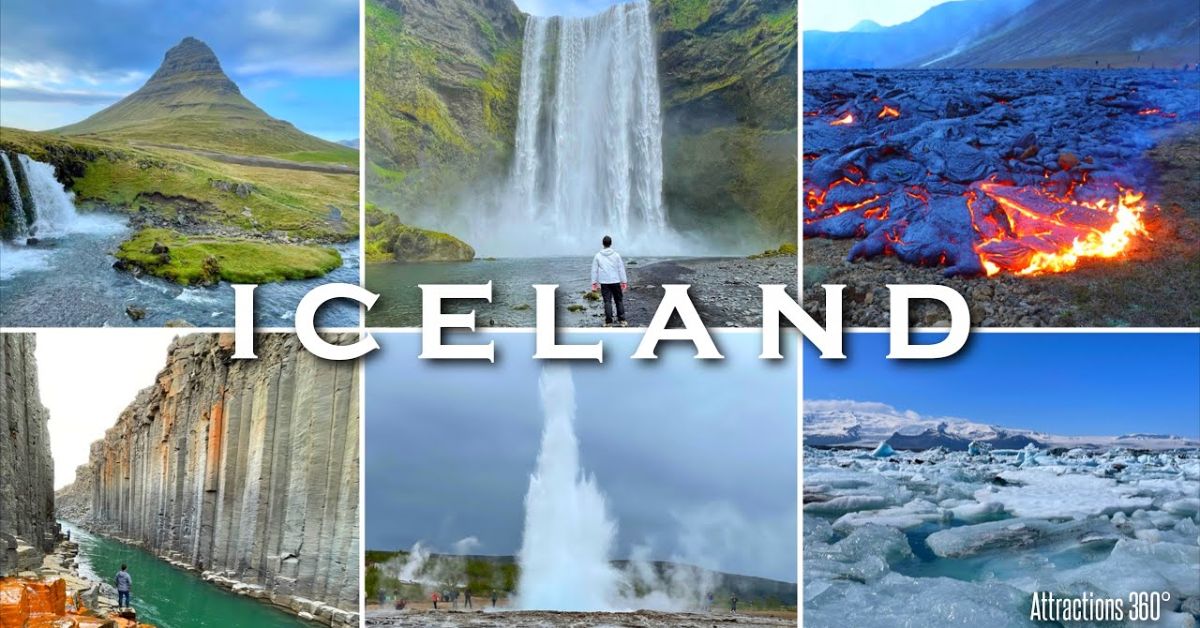
Imagine standing on a black sand beach as waves crash against basalt columns, the sky swirling with greens and purples above you. Or floating in a milky-blue geothermal pool while snowflakes drift down around you. Iceland is the kind of place that makes you feel like you have stepped onto another planet entirely.
This North Atlantic island nation is unlike anywhere else on Earth. It sits on a hotspot of volcanic activity, which means the landscape is constantly shifting, breathing, and surprising you at every turn.
Whether you are a first-time visitor trying to plan your itinerary or a seasoned traveller looking for unique things to do in Iceland you might have missed, this guide covers it all. From iconic Golden Circle landmarks to hidden canyons, from nighttime aurora hunts to daytime glacier walks, here is your complete guide to the best things to do in Iceland.
Chase the Northern Lights
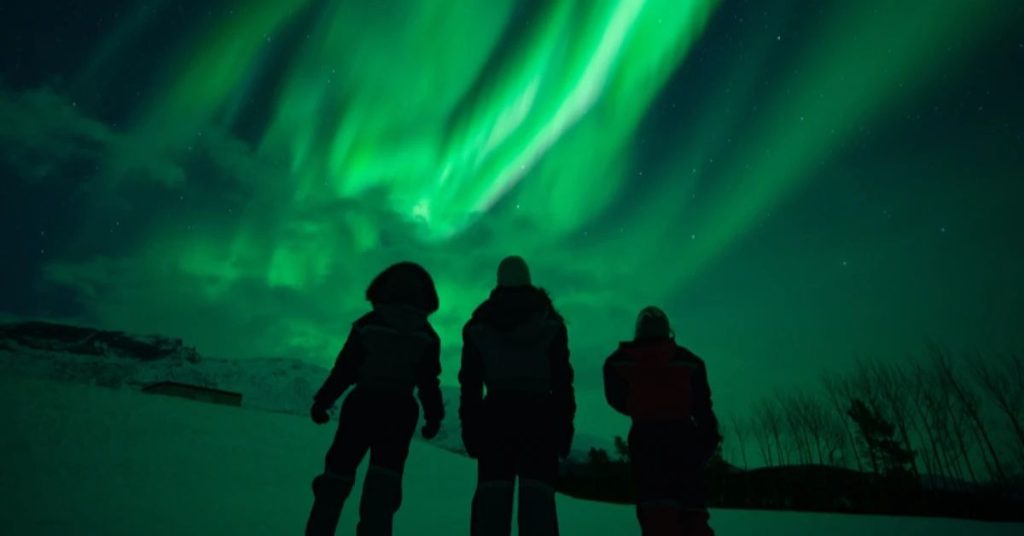
If there is one experience that draws millions of travellers to Iceland every year, it is the chance to witness the Northern Lights dancing across the night sky. The aurora borealis is one of nature’s most breathtaking spectacles. Bands of green, pink, and violet light ripple and pulse across the darkness in a display that feels almost unreal.
To see the Northern Lights in Iceland, you need a few key ingredients: darkness, clear skies, and solar activity. The best time to witness them is between September and March, when nights are long enough to give the aurora space to perform. One of the best things to do in Iceland at night is to drive away from the light pollution of Reykjavik and head toward rural areas. The Snaefellsnes Peninsula, the south coast, and even areas near Lake Thingvellir are popular spots.
Download a Northern Lights forecast app before your trip. Icelandic forecasters actually publish real-time aurora activity predictions, which makes planning your evening much easier. Even if you are visiting in March, do not count yourself out. Things to do in Iceland in March include some of the best aurora chasing of the season, as the nights are still long enough and spring storms are beginning to clear.
Explore the Golden Circle
The Golden Circle is the most popular tourist route in Iceland, and for very good reason. It covers three of the most spectacular natural attractions in the country, all within a few hours of Reykjavik.
The first stop is Thingvellir National Park, a UNESCO World Heritage Site where the Eurasian and North American tectonic plates meet. You can actually walk through the valley between these two plates, which is a genuinely surreal experience.
The second stop is the Geysir Geothermal Area, home to the famous Strokkur geyser. Strokkur erupts roughly every five to ten minutes, shooting a column of boiling water up to 30 metres into the air. Standing close and watching it build, pause, and then explode is endlessly entertaining.
The third stop is Gullfoss, a thundering double waterfall that plunges into a dramatic gorge. The name translates as Golden Falls, and on a sunny day you can see exactly why, as rainbows arch through the mist above it.
The Golden Circle can be done as a day trip from Reykjavik, but if you want to go deeper, consider spending a night in the area to catch sunrise at Thingvellir or the geyser field in the quiet of early morning.
For More Information Visit Website …..
Walk on a Glacier
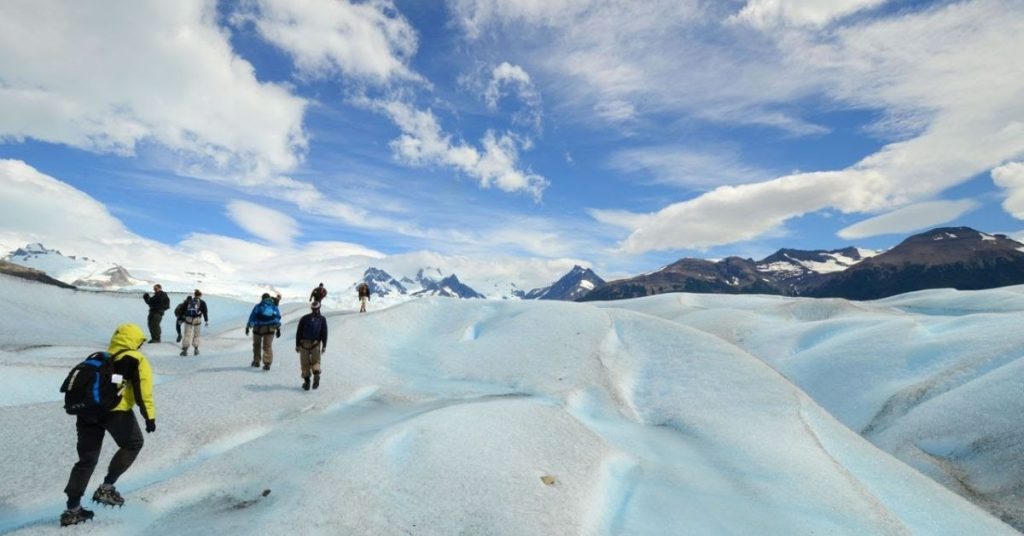
Iceland is home to more than 260 glaciers, and walking on one of them is one of the most unique things to do in Iceland. Vatnajokull, Europe’s largest glacier by volume, is the most well-known, but Solheimajokull on the south coast is arguably the most accessible.
A guided glacier hike takes you across ice formations, past crevasses, and through a landscape of deep blue and white that is completely unlike anything on solid ground. Crampons are strapped to your boots and ice axes are placed in your hands, and then you walk across a world that has been forming for thousands of years.
It is worth noting that Icelandic glaciers are retreating due to climate change, which makes visiting them feel even more significant. Many guides will show you markers indicating where the glacier’s edge stood just a decade ago, and the difference is striking.
Visit the Black Sand Beaches
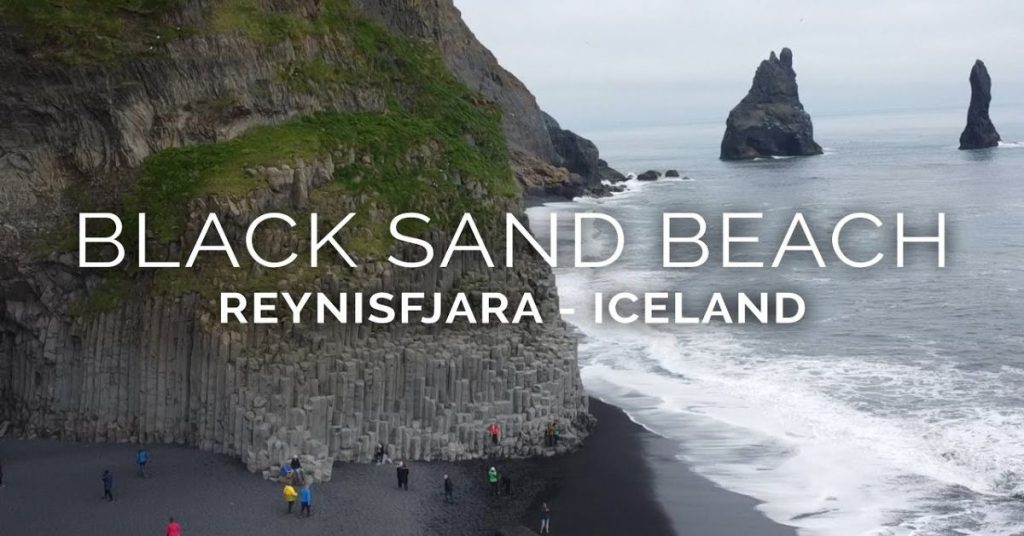
Few things to do in Iceland black sand beach experiences compare to standing at Reynisfjara on Iceland’s south coast. The contrast of jet-black volcanic sand against white-crested waves and towering basalt columns is one of the most photographed scenes in the country.
The beach is found near the village of Vik, which sits at Iceland’s southernmost point. The hexagonal basalt columns that rise from the ground here were formed by cooling lava thousands of years ago, and they look almost impossibly geometric and precise.
It is important to be cautious at Reynisfjara. The waves here are known as sneaker waves because they can surge up the beach without warning. Always keep a safe distance from the water and never turn your back on the ocean.
A few minutes from Reynisfjara, you can also visit the village of Vik itself, which has a charming church perched on a hill above it and views over the black sand that stretch in every direction.
Snorkel or Dive in Silfra
For those looking for truly unique things to do in Iceland, snorkelling or diving in the Silfra fissure is an experience that will stay with you for the rest of your life.
Silfra is a crack in the earth located inside Thingvellir National Park, and it sits right at the boundary between the North American and Eurasian tectonic plates. The water that fills it is glacial meltwater that has been filtered through volcanic rock for decades, giving it visibility of up to 100 metres.
Yes, the water is cold. Around 2 to 4 degrees Celsius. You will wear a dry suit and neoprene gloves and hood, and the trick is to stay as still as possible so your body heat warms the water trapped inside the suit.
But the reward is extraordinary. The colours underwater shift from brilliant turquoise to deep cobalt, and the rock formations on either side of the fissure are hauntingly beautiful. This is something very few travellers experience, which makes it one of the most extraordinary things to do in Iceland for adventurous souls.
Soak in the Blue Lagoon
No guide to things to do in Iceland would be complete without mentioning the Blue Lagoon. It is one of the most iconic destinations in the entire country and one that has become synonymous with Iceland itself.
The Blue Lagoon is a geothermal spa set within a dramatic landscape of black lava fields in the Reykjanes Peninsula. The water is a striking milky-blue colour thanks to silica and other minerals, and it sits at a wonderfully warm temperature year-round.
Floating in the Blue Lagoon while steam rises around you and the volcanic landscape stretches in every direction is a deeply relaxing and surprisingly moving experience.
Book your tickets well in advance because slots fill up quickly, especially during peak travel seasons. The lagoon is located close to Keflavik International Airport, which makes it an excellent first or last stop on your Iceland trip.
Walk Behind Seljalandsfoss Waterfall
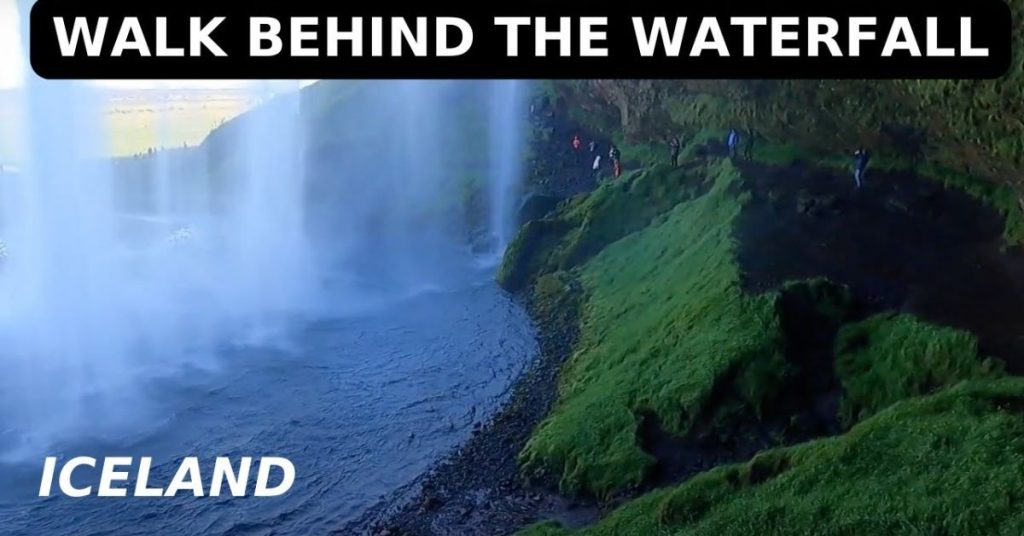
Iceland has dozens of magnificent waterfalls, but Seljalandsfoss on the south coast offers something most waterfalls cannot: the ability to walk behind it.
A pathway runs behind the curtain of falling water, giving you a completely different perspective on the falls and some extraordinary photo opportunities. The mist is heavy and you will get wet, but wearing a waterproof jacket makes the experience much more enjoyable.
Just a short drive further along the south coast is Skogarfoss, another iconic waterfall. A staircase to the right of the falls leads you up to a viewing platform at the top, from which you can look out over a huge stretch of the southern landscape.
Both waterfalls are accessible year-round, though the path behind Seljalandsfoss can be icy and closed during winter months. Check conditions before you visit.
Discover Fjadrargljufur Canyon
Fjadrargljufur is one of Iceland’s most beautiful and underrated natural wonders. This ancient canyon stretches for around two kilometres and reaches depths of up to 100 metres, with the Fjadra river winding along the floor below.
The canyon was formed during the last ice age and the rock walls are draped in vivid green moss that makes the whole scene look almost otherworldly. A walking trail runs along the canyon rim, giving you ever-changing views down into the depths below.
It sits in south Iceland near the village of Kirkjubaejarklaustur and is well worth the short detour from the Ring Road.
Experience Reykjavik’s Nightlife and Culture
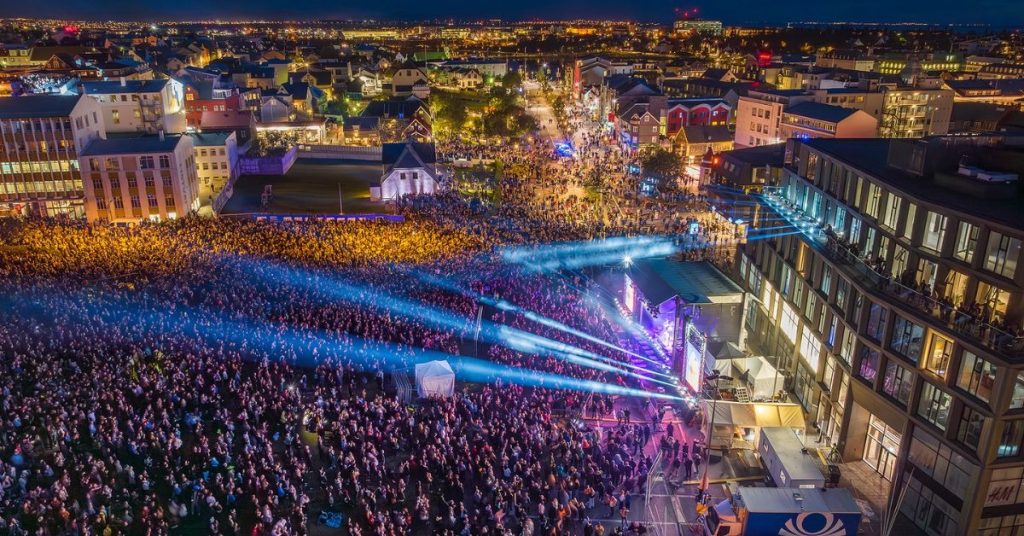
Iceland’s capital is a compact and wonderfully liveable city that punches far above its weight when it comes to culture, food, and nightlife. Spend time in the Laugavegur shopping street, visit the striking Hallgrimskirkja church that towers over the city, and explore the Harpa Concert Hall by the harbour.
When evening comes, Reykjavik transforms. The nightlife here is legendary, with bars and music venues staying open until the early hours of the morning. Things to do in Iceland at night in Reykjavik include live music shows, craft beer bars, and restaurant experiences featuring local ingredients like lamb, skyr, and fresh fish.
The city is also a gateway to hot spring experiences beyond the Blue Lagoon. The Laugardalslaug swimming pool is a local favourite and offers a more authentic, low-key geothermal experience.
Ride an Icelandic Horse
Horse riding is one of the most memorable things to do in Iceland, and the Icelandic horse is unlike any other breed in the world.
These sturdy, friendly horses have lived on the island for over a thousand years and have developed a unique fifth gait called the tolt, which gives riders an incredibly smooth, comfortable ride. They are also smaller than typical horses, which makes them feel very approachable even for beginners.
Several farms around Iceland offer guided rides that take you through lava fields, along coastal dunes, or across open moorland. The wind in your face, the sound of hooves on volcanic soil, and the sweeping landscape around you make it an unforgettable afternoon.
Final Thoughts: Iceland Will Change You
Iceland is one of those destinations that gets under your skin in the best possible way. The landscape is raw, dramatic, and constantly surprising. The culture is warm and independent. The adventures on offer range from the deeply relaxing to the genuinely thrilling.
Whether you are chasing the Northern Lights across a frozen field, soaking in a geothermal pool under a starlit sky, or simply standing at the edge of a black sand beach watching waves roll in from the North Atlantic, Iceland has a way of making every moment feel significant.
The best things to do in Iceland are not just activities. They are experiences that remind you how extraordinary this planet can be.
FAQs
1. What is the best time to visit Iceland?
The best time is June to August for mild weather, or September to March for Northern Lights and winter experiences.
2. How many days do you need in Iceland?
A 5 to 7-day trip is ideal to explore the Golden Circle, south coast, and a few unique adventures.
3. Can you see the Northern Lights in Iceland year-round?
No, they are visible only from September to March when nights are dark enough.
4. Is Iceland expensive to visit?
Yes, Iceland is relatively expensive, but planning ahead and budgeting can help manage costs.
5. Do you need a car to explore Iceland?
While tours are available, renting a car gives you the most flexibility to explore at your own pace.