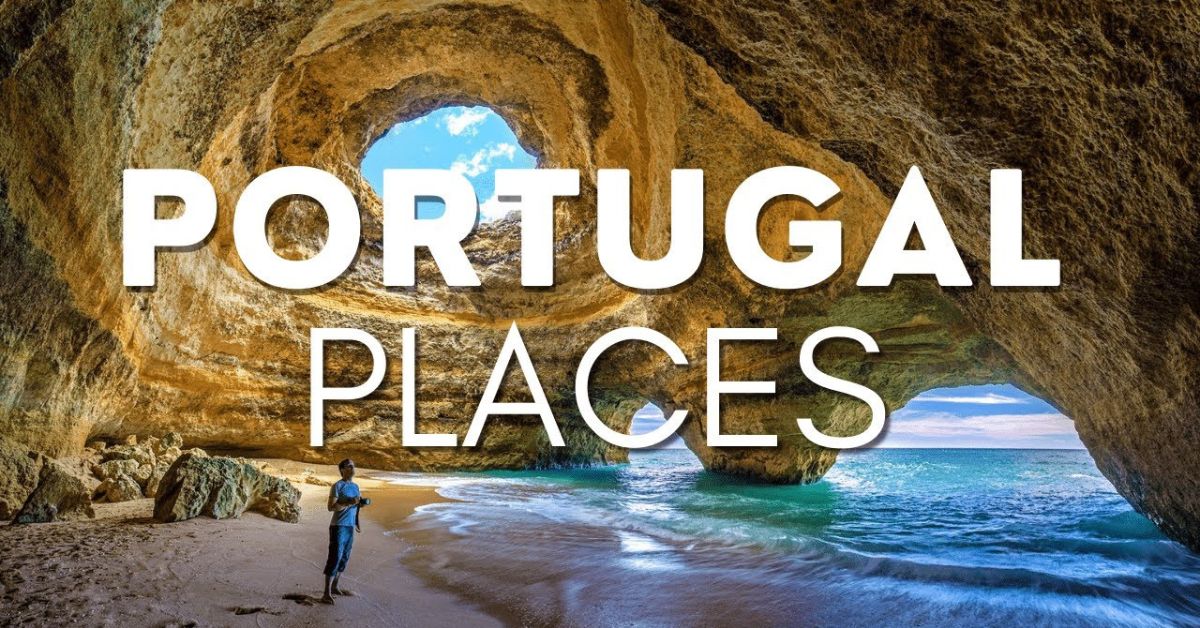
Portugal is a country that captivates travelers with its colorful cities, stunning coastline, and rich history. From the vibrant streets of Lisbon to the golden beaches of the Algarve, there are countless things to do in Portugal that will make your trip unforgettable.
Picture yourself wandering through medieval castles, tasting world-class port wine, and watching the sunset over dramatic Atlantic cliffs. Whether you’re planning a romantic getaway, a family vacation, or a solo adventure, Portugal offers something for everyone.
This comprehensive guide covers the best things to do in Portugal for every type of traveler. You’ll discover hidden gems, family-friendly attractions, breathtaking beaches, and unique experiences that will help you make the most of your Portuguese adventure.
Explore Lisbon’s Enchanting Neighborhoods
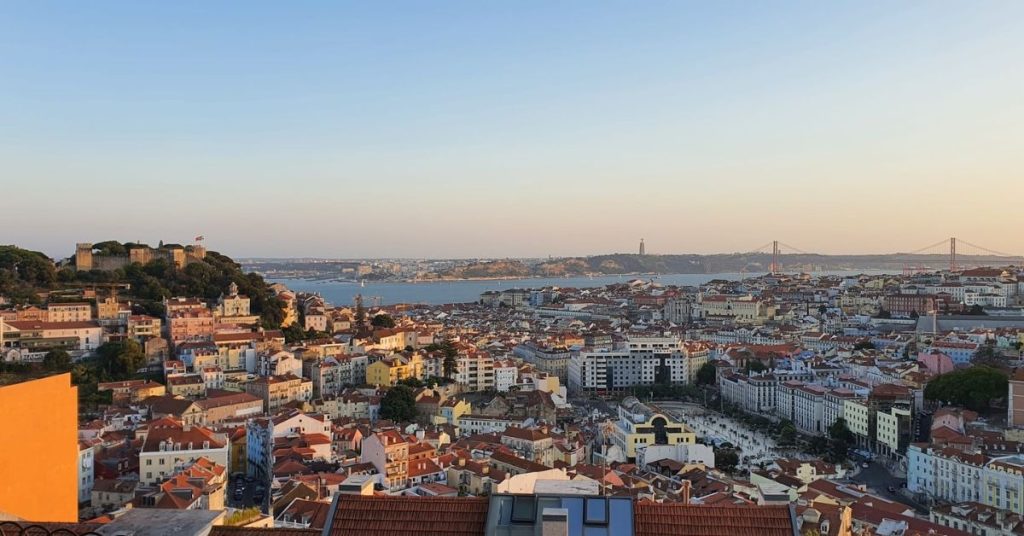
Lisbon stands as one of Europe’s most colorful and welcoming capitals. The city spreads across seven hills, each offering spectacular views and unique experiences that make it one of the top things to do in Portugal.
Start your journey in Alfama, Lisbon’s oldest district where narrow cobblestone streets wind between centuries-old buildings. Getting lost here is actually recommended. You’ll stumble upon hidden viewpoints called “miradouros,” charming cafes, and the soulful sounds of Fado music drifting from local restaurants. Don’t miss Portas do Sol viewpoint for stunning sunset views over the terracotta rooftops.
Bairro Alto transforms after dark into Lisbon’s nightlife hub. This historic neighborhood features dozens of bars, restaurants, and Fado houses packed into winding streets. During the day, explore vintage shops and local boutiques. The famous Elevador da Bica funicular connects Bairro Alto to lower neighborhoods, offering a quintessential Lisbon experience.
Belém district showcases Portugal’s Age of Discovery heritage. The Jerónimos Monastery displays stunning Manueline architecture that took over 100 years to build. Nearby, the Belém Tower stands guard over the Tagus River, while the Monument to the Discoveries celebrates Portuguese explorers. End your visit at Pastéis de Belém to try the original Portuguese custard tart.
Ride Tram 28 through Lisbon’s most photogenic neighborhoods. This vintage yellow tram climbs steep hills and navigates narrow streets, passing major landmarks and local life. It’s more than transportation—it’s one of the most unique things to do in Portugal.
Discover Porto’s Wine Cellars and Riverside Charm
Porto combines historic beauty with world-renowned port wine culture. This northern coastal city offers some of the best things to do in Portugal for wine enthusiasts and history lovers alike.
The Ribeira district along the Douro River features colorful buildings cascading down to the waterfront. Restaurants and cafes line the promenade where you can enjoy fresh seafood while watching traditional rabelo boats. Cross the iconic Dom Luís I Bridge for panoramic views of Porto’s skyline.
Vila Nova de Gaia, across the river from Porto, houses famous port wine cellars. Sandeman, Taylor’s, and Graham’s offer guided tours explaining the port-making process. Tastings allow you to sample different varieties from ruby to tawny ports. Learning about Portugal’s signature drink ranks among the most popular things to do in Portugal.
Livraria Lello bookstore captivates visitors with its neo-Gothic architecture and crimson staircase. Founded in 1906, it inspired J.K. Rowling during her time in Porto. The ornate interior features stained glass ceilings and intricate woodwork. Purchase tickets in advance as lines can stretch for hours.
São Bento Railway Station displays over 20,000 beautiful azulejo tiles depicting Portuguese history. The main hall feels more like an art gallery than a train station. These blue and white ceramic tiles represent traditional Portuguese craftsmanship at its finest.
For More Information Visit Website …..
Experience Sintra’s Fairy-Tale Palaces
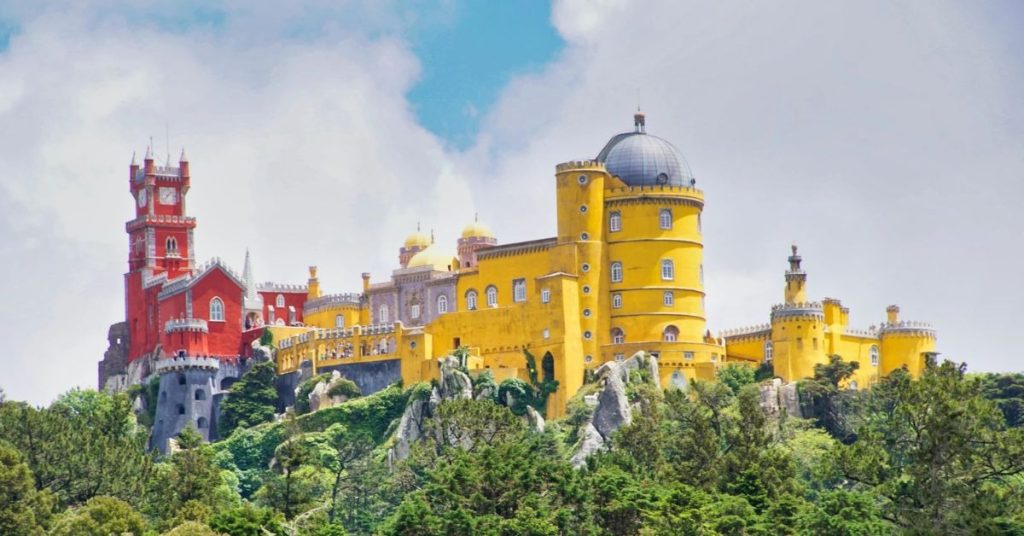
Sintra feels like stepping into a storybook with its colorful palaces nestled in misty hills. Just 40 minutes from Lisbon by train, exploring Sintra ranks among the best things to do in Portugal.
Pena Palace dominates the Sintra skyline with its vibrant yellow and red towers. This 19th-century Romanticist castle was built on the ruins of a monastery destroyed in the 1755 earthquake. The palace combines Moorish, Gothic, and Manueline architectural styles. Surrounding gardens feature exotic plants from Portugal’s former colonies. Arrive early to avoid crowds and book tickets online.
Quinta da Regaleira enchants visitors with mysterious gardens, hidden tunnels, and secret grottos. The Initiation Well spirals 27 meters underground, connecting to other passages throughout the estate. Symbolic elements reference alchemy, Freemasonry, and the Knights Templar. Exploring this estate feels like solving an architectural puzzle.
Monserrate Palace showcases exotic Indo-Gothic architecture designed for a British millionaire. The palace blends Arabic, Indian, and Victorian influences. Gardens display rare botanical species from around the world. This lesser-known palace offers a quieter alternative to Pena.
The Moorish Castle provides panoramic views across Sintra to the Atlantic Ocean. Built in the 8th century, these fortified walls stretch across mountain peaks. The castle requires moderate hiking but rewards visitors with breathtaking vistas.
Relax on Algarve’s Golden Beaches
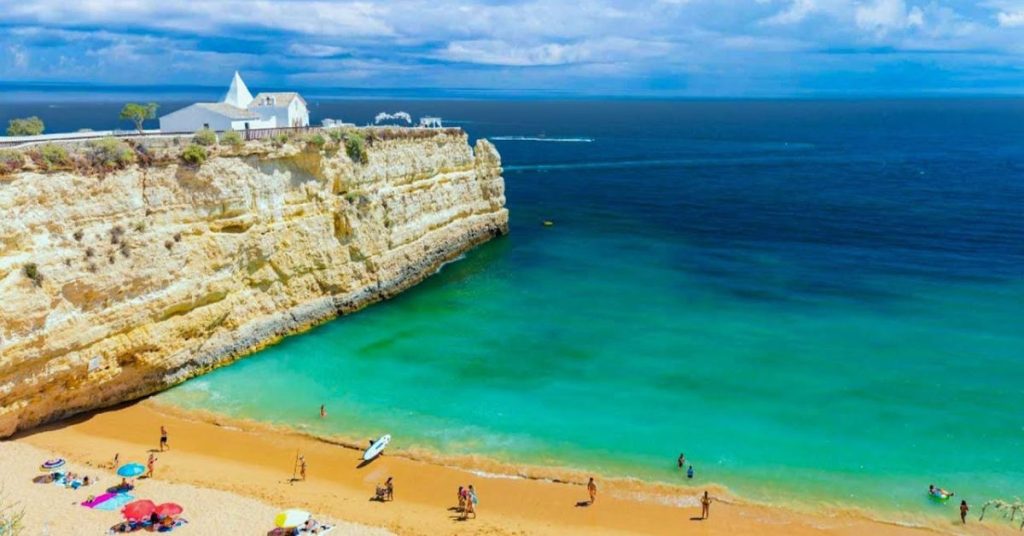
The Algarve region stretches along Portugal’s southern coast, famous for dramatic cliffs, golden sand beaches, and crystal-clear waters. Beach hopping here represents some of the best things to do in Portugal.
Praia da Marinha consistently ranks among Europe’s most beautiful beaches. Limestone cliffs frame turquoise waters perfect for swimming and snorkeling. The iconic rock formations create stunning photo opportunities. Arrive early as parking fills quickly during summer.
Lagos offers multiple beach options within walking distance. Ponta da Piedade features spectacular rock formations, sea caves, and grottoes accessible by boat or kayak. Praia Dona Ana provides sheltered swimming areas perfect for families. Praia do Camilo requires descending wooden stairs but rewards with pristine sand and calm waters.
The Benagil Sea Cave became Instagram-famous for its cathedral-like dome with a natural skylight. Only accessible by boat or kayak from Benagil Beach, this geological wonder fills with tourists during peak season. Consider sunrise visits for fewer crowds and magical lighting.
Praia da Rocha near Portimão combines wide sandy beaches with lively restaurants and bars. The long stretch of sand provides ample space even during summer. Cliff-top walks offer stunning coastal views. This beach suits families and beach lovers seeking amenities.
Journey Through the Douro Valley Vineyards
The Douro Valley, Portugal’s premier wine region, produces world-famous port and table wines. Terraced vineyards cascade down steep hillsides along the winding Douro River. Visiting this UNESCO World Heritage site ranks among the top things to do in Portugal for wine enthusiasts.
River cruises from Porto showcase the valley’s dramatic landscapes. One-hour trips provide relaxing introductions while full-day cruises include wine estate visits. Traditional rabelo boats offer authentic experiences sailing between vineyard-covered slopes. The scenery becomes even more spectacular during autumn harvest season when leaves turn golden.
Wine tastings at prestigious estates like Quinta do Crasto or Quinta da Pacheca reveal the region’s terroir. Tours explain centuries-old winemaking traditions and modern techniques. Many quintas offer luxury accommodations with valley views, creating unforgettable overnight experiences.
The historic town of Pinhão serves as the Douro Valley’s heart. Colorful azulejo tiles decorate the railway station depicting wine harvest scenes. Riverfront restaurants serve regional specialties paired with local wines. This charming town provides an ideal base for exploring surrounding vineyards.
Driving the N222 road provides stunning valley panoramas. This winding route connects Peso da Régua to Pinhão along the river. Numerous viewpoints allow stops for photos and wine estate visits.
Visit Évora’s Historic Center and Chapel of Bones
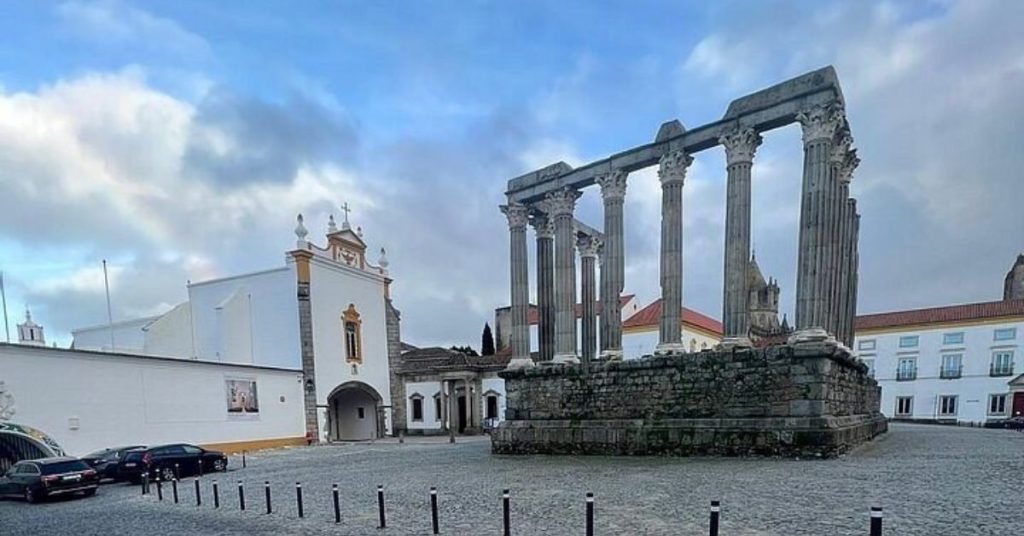
Évora represents Portugal’s best-preserved medieval city. This UNESCO World Heritage site in the Alentejo region features Roman ruins, Moorish architecture, and thought-provoking monuments. Exploring Évora counts among the most culturally enriching things to do in Portugal.
The Roman Temple of Évora dates to the 1st century AD. Fourteen Corinthian columns remain from the original structure. Locals call it the Temple of Diana though archaeological evidence disputes this. The temple stands remarkably intact for its age.
Capela dos Ossos (Chapel of Bones) creates an unforgettable impression. Franciscan monks decorated the interior with bones and skulls from over 5,000 corpses during the 17th century. The entrance inscription reads: “We bones that are here await yours.” This memento mori encourages visitors to contemplate mortality. While macabre, the chapel offers philosophical reflection on life’s impermanence.
Évora Cathedral represents the largest medieval cathedral in Portugal. Gothic and Romanesque architectural elements combine throughout the structure. Climb to the rooftop for panoramic city views. The cathedral museum displays religious artifacts and sacred art.
Praça do Giraldo serves as Évora’s main square, lined with arcaded buildings and outdoor cafes. This central gathering place hosts markets and events. The Renaissance fountain provides a meeting point for locals and visitors.
Explore Unique Family-Friendly Activities
Portugal welcomes families with open arms, offering activities that engage children while parents enjoy authentic Portuguese culture. These family-oriented experiences rank among the best things to do in Portugal with kids.
Lisbon Oceanarium (Oceanário de Lisboa) showcases marine life from around the world. The massive central tank creates the illusion of a single ocean ecosystem. Sharks, rays, and colorful fish swim overhead while children watch in wonder. Interactive exhibits teach ocean conservation. The oceanarium suits all ages from toddlers to teenagers.
Zoomarine in the Algarve combines aquatic shows, water slides, and animal encounters. Dolphin and sea lion performances entertain while educating about marine conservation. The water park section keeps kids cool during hot summer days. Bird of prey demonstrations showcase Portugal’s wildlife.
Porto’s World of Discoveries museum brings things to do in Portugal Age of Exploration to life. Interactive exhibits allow children to touch, play, and learn about Portuguese explorers. The highlight includes a 15-minute boat ride through recreated continents showing discovered lands. Kids enjoy the hands-on approach to history.
Miniature golf at Passeio Alegre gardens in Porto offers affordable family fun. The seaside location combines play with ocean views. Afterward, children can run in the gardens while parents relax.
Sintra becomes a real-life fairytale for children. Exploring castle towers, discovering secret passages at Quinta da Regaleira, and riding horse carriages through historic streets create magical memories. Most palaces offer family tickets at reduced rates.
Experience Portugal’s Vibrant Nightlife

Portugal’s cities come alive after dark with diverse entertainment options. From traditional Fado music to modern nightclubs, evening activities represent exciting things to do in Portugal.
Bairro Alto in Lisbon transforms into a pedestrian party zone. Narrow streets fill with locals and tourists bar-hopping between dozens of venues. Small bars spill onto sidewalks creating a street party atmosphere. Live music ranges from jazz to electronic. The neighborhood offers budget-friendly drinks and late-night snacks.
Fado houses provide authentic Portuguese cultural experiences. This melancholic music genre expresses saudade (longing and nostalgia). Traditional performances occur in intimate settings where silence shows respect to the fadista (singer). Clube de Fado in Alfama offers exceptional performances with dinner. Listening to Fado represents one of the most culturally significant things to do in Portugal.
LX Factory in Lisbon hosts bars, restaurants, and clubs in converted industrial warehouses. Street art covers walls while live DJs spin electronic music. Rooftop bars overlook the Tagus River. The artsy atmosphere attracts creative crowds.
Porto’s nightlife centers around Galerias de Paris street. Bars and clubs line this pedestrian street popular with students and young professionals. Live music venues feature rock, alternative, and indie bands. The area maintains a more relaxed vibe than Lisbon’s party districts.
Albufeira’s “The Strip” in the Algarve caters to beach resort nightlife. International DJs, themed nights, and beach parties attract summer crowds. While touristy, it delivers high-energy entertainment for those seeking club culture.
Discover Cascais and Cabo da Roca
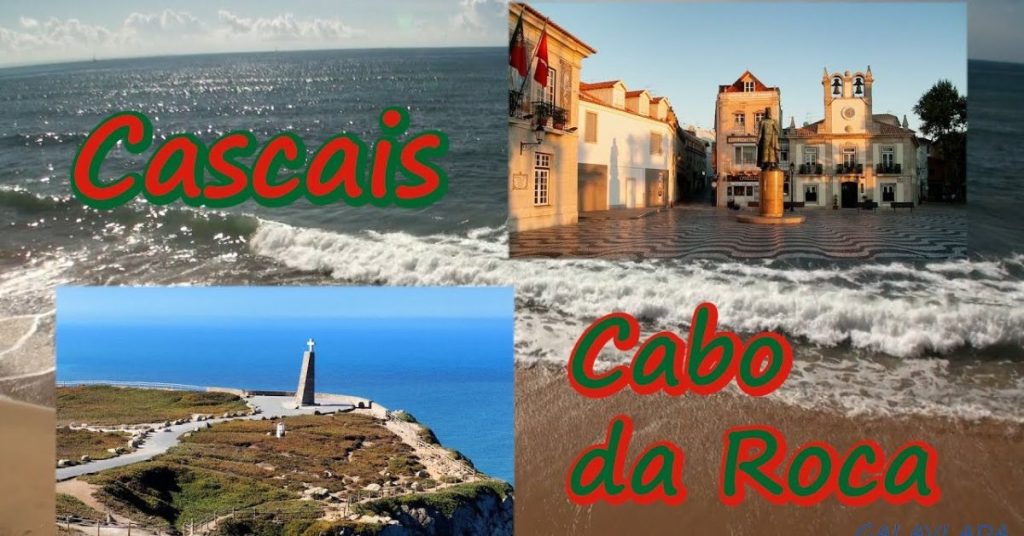
Cascais evolved from a fishing village into an elegant coastal resort. This sophisticated town combines beaches, culture, and proximity to Cabo da Roca—Europe’s westernmost point. Visiting this area provides relaxing things to do in Portugal.
Cascais marina bustles with yachts and waterfront restaurants. The historic center features cobblestone streets lined with shops and cafes. Multiple beaches offer swimming opportunities within walking distance. Praia da Rainha and Praia da Conceição provide sheltered coves for families.
The town became fashionable when Portuguese royalty made it their summer residence in the 19th century. Grand mansions and gardens reflect this aristocratic past. The Citadel Palace and museums showcase local history and art.
Cabo da Roca marks continental Europe’s westernmost point where land meets the Atlantic. Dramatic cliffs rise above crashing waves creating powerful scenery. Strong winds require warm jackets even in summer. A lighthouse and monument mark the significant geographical location. Purchase a certificate documenting your visit to the edge of Europe.
Buses connect Cascais to Cabo da Roca in 20 minutes. The journey passes through Sintra-Cascais Natural Park with stunning coastal views. Combine both destinations for a perfect day trip from Lisbon.
Explore Coimbra’s Historic University
Coimbra ranks among Europe’s oldest university cities. The prestigious University of Coimbra dates to 1290, making it one of the world’s oldest continuously operating universities. Visiting this academic landmark represents fascinating things to do in Portugal for history enthusiasts.
The Joanine Library captivates visitors as one of the world’s most beautiful libraries. Baroque architecture features gilded woodwork, frescoed ceilings, and thousands of rare books. The three-room library houses volumes from the 16th to 18th centuries. Bats living in the library protect books by eating insects that would damage ancient pages.
The university’s grand courtyard and ceremonial halls showcase academic traditions spanning centuries. The Royal Palace, later converted to university buildings, retains royal apartments and chapels. Climb the clock tower for panoramic city views.
Coimbra’s old town winds through narrow medieval streets. Cafes popular with students line pedestrian zones. The Mondego River flows through the city with pleasant riverside walks. The Monastery of Santa Cruz houses tombs of things to do in Portugal first kings.
Traditional Fado de Coimbra differs from Lisbon’s version. University students traditionally performed this music as serenades. The style sounds more classical with only male singers accompanied by Portuguese guitar. Evening performances occur in historic taverns.
Venture to the Azores Islands
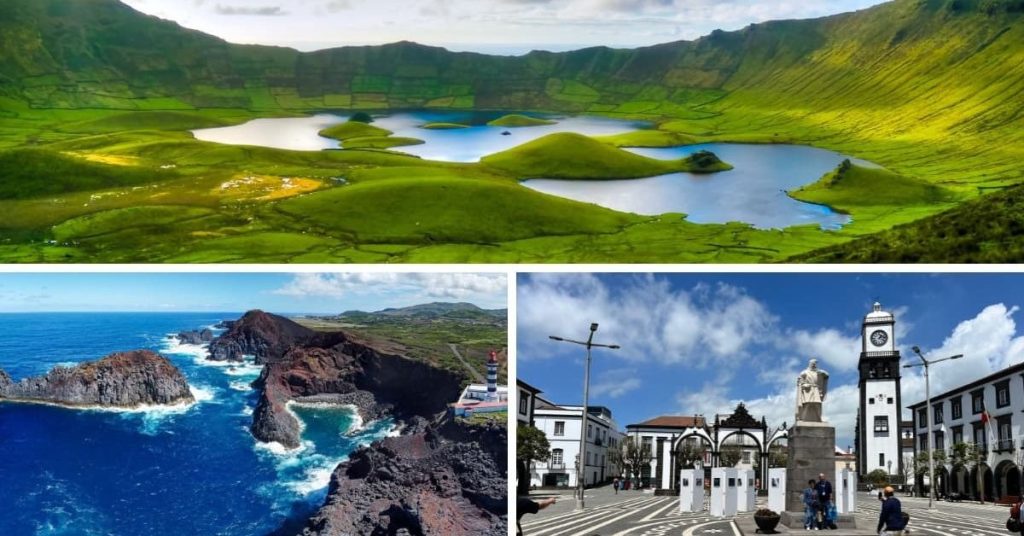
The Azores archipelago floats in the mid-Atlantic, offering volcanic landscapes and pristine nature. These nine islands provide adventure-filled things to do in Portugal for nature lovers.
São Miguel, the largest island, features volcanic lakes, hot springs, and lush green landscapes. Terra Nostra Park contains botanical gardens with exotic plants and a natural thermal pool heated by volcanic activity. The warm, iron-rich orange water provides unique swimming experiences.
Whale watching from Pico or Faial islands reveals the Atlantic’s marine giants. Over 20 whale and dolphin species migrate through Azorean waters. Spring and summer offer the best viewing conditions. Responsible tour operators maintain respectful distances while providing unforgettable encounters.
Crater lakes like Sete Cidades create surreal scenery. Twin lakes one blue, one green fill an enormous volcanic crater. Hiking trails circle the rim providing spectacular panoramic views. The volcanic landscape looks otherworldly.
Furnas Valley on São Miguel offers geothermal wonders. Hot springs, fumaroles, and bubbling mud pools demonstrate ongoing volcanic activity. Local restaurants prepare Cozido das Furnas, a traditional stew cooked underground using volcanic heat.
Reaching the Azores requires flights from Lisbon or Porto. Inter-island flights and ferries connect the archipelago. The remote location rewards adventurous travelers with unspoiled natural beauty.
Visit Medieval Óbidos
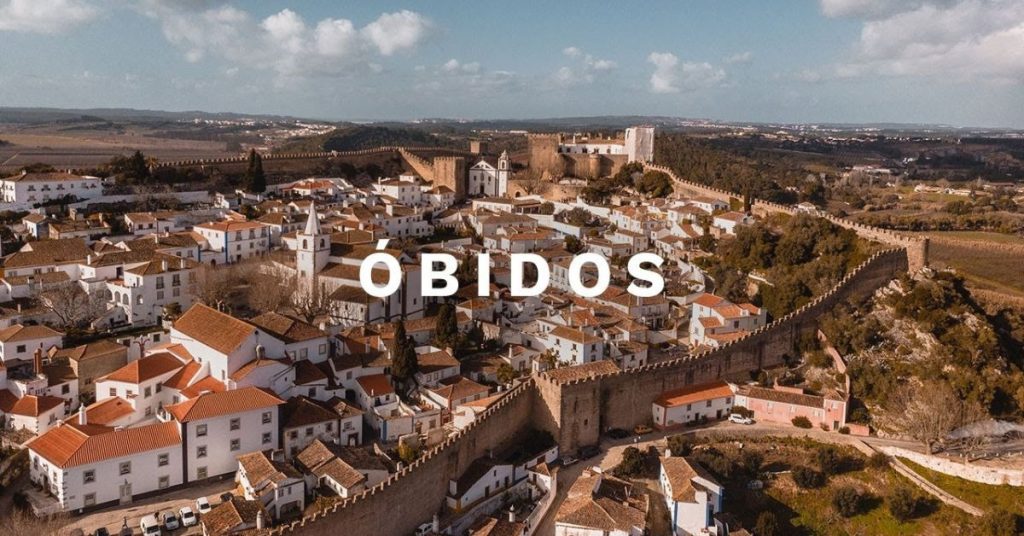
Óbidos preserves medieval things to do in Portugal perfectly within whitewashed walls. This small hilltop town became a wedding gift from King Dinis to Queen Isabel in the 13th century. Exploring Óbidos offers charming things to do in Portugal.
Walk the medieval walls circling the town for panoramic countryside views. The elevated path follows the original fortifications. Narrow streets wind between white houses trimmed with bright yellow and blue paint. Flowers cascade from window boxes creating picturesque scenes.
Óbidos Castle, now a luxury hotel, dominates the town. Even non-guests can admire the exterior and explore parts of the structure. Churches throughout town showcase Gothic, Manueline, and Baroque architecture. The Renaissance Igreja de Santa Maria features beautiful azulejo tiles.
Ginjinha de Óbidos, a local cherry liqueur, is served in chocolate cups. Try this sweet treat from vendors along main streets. The tradition dates back centuries when monks produced the liqueur.
The town hosts medieval festivals recreating historical atmosphere with costumed performers, traditional crafts, and period food. The Christmas season transforms Óbidos into a festive market village.
Located one hour north of Lisbon, Óbidos makes an easy day trip. Combine it with visits to nearby attractions like Nazaré or Alcobaça.
Surf the Waves at Nazaré and Ericeira
Portugal’s Atlantic coastline creates world-class surfing conditions. From gentle beach breaks to record-breaking big waves, surfing represents thrilling things to do in Portugal.
Nazaré gained worldwide fame for monster waves reaching over 100 feet. Professional big wave surfers challenge these giants from October to March. The underwater Nazaré Canyon creates unique wave formations. Even when massive waves aren’t breaking, watching the ocean’s power from clifftop viewpoints impresses visitors.
Praia do Norte beach transforms into a spectator sport during big swell events. Crowds gather at Forte de São Miguel Arcanjo to watch surfers take on liquid mountains. The lighthouse viewpoint provides dramatic perspectives of wave size.
Ericeira, Portugal’s surf capital, offers consistent waves year-round. This fishing village turned surf town features multiple beach breaks and point breaks for all skill levels. Ribeira d’Ilhas hosts international surf competitions. Surf schools provide lessons for beginners.
The town maintains authentic Portuguese character despite surf tourism. Fresh seafood restaurants, local cafes, and whitewashed buildings preserve the traditional atmosphere. Ericeira became Europe’s first World Surfing Reserve, protecting its coastline and surf culture.
Even non-surfers enjoy these coastal towns. Beautiful beaches, coastal walks, and relaxed vibes create perfect beach vacation experiences. Watching surfers provides free entertainment while sunbathing.
Conclusion
Portugal combines history, culture, natural beauty, and warm hospitality into an unforgettable destination. From Lisbon’s vibrant neighborhoods to the Algarve’s stunning beaches, the diverse experiences prove why Portugal attracts millions of visitors annually.
The things to do in Portugal suit every travel style and interest. History buffs explore medieval castles and Roman ruins. Beach lovers relax on golden sands. Foodies savor fresh seafood and local wines. Families create lasting memories through interactive museums and outdoor adventures. Night owls dance until dawn in lively neighborhoods.
Start planning your Portuguese adventure today. Whether you spend one week or one month, the country offers endless discoveries. Each visit reveals new favorite spots, hidden gems, and reasons to return. Things to do in Portugal doesn’t just meet expectations, it exceeds them, creating travel memories that last forever.
FAQs
1. What is the best time to visit Portugal?
Spring (April–June) and fall (September–October) offer pleasant weather, fewer crowds, and lower prices.
2. Is Portugal good for family vacations?
Yes, Portugal is very family-friendly with safe cities, beaches, aquariums, theme parks, and kid-focused museums.
3. How many days are enough to explore Portugal?
7–10 days is ideal to cover Lisbon, Porto, Sintra, Algarve, and one unique experience like the Douro Valley.
4. Is Portugal expensive for tourists?
Portugal is one of Western Europe’s most affordable destinations, with reasonable food, transport, and lodging costs.
5. Do I need a car to travel around Portugal?
Not necessarily. Trains and buses connect major cities, but a car is helpful for Algarve beaches and rural areas.